Sump Pump Failure: How to Protect Your Fort Washington Basement
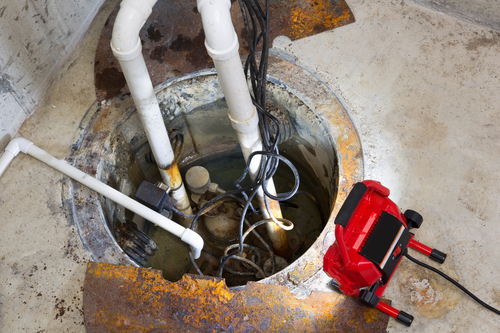
When rain pounds the Potomac shoreline and groundwater rises, a working sump pump is the thin line between a dry basement and a mess. If you are worried about sump pump failure in Fort Washington, MD, you are not alone. Homes in Fort Washington, Oxon Hill, Temple Hills, and neighborhoods near National Harbor sit in low-lying areas where storms and snowmelt can push water toward foundations. The best way to stay protected is to know the risks, watch for early warning signs, and bring in a trusted sump pump service team before small issues turn into emergencies.
Why Sump Pumps Fail in Prince George’s County Homes
Most failures are preventable. In our area, heavy summer downpours, fast thaws after cold snaps, and nor’easter remnants can overwhelm a weak system. Basements in Tantallon and Friendly often have longer discharge runs to reach a safe spot downhill, which makes the pump work harder. If the pump, pit, or discharge line is undersized or neglected, water will find a way in.
Common causes include a clogged intake screen, mineral buildup, a stuck float, a failed check valve, or a discharge line that freezes or gets crushed. Power outages are another big reason. After a big storm, a breaker can trip or the pump can short. Without a battery backup, your basement is vulnerable.
If your pump stops during a storm, call a licensed plumber immediately. Quick action limits damage and protects your electrical system. Do not try to disassemble the unit or reach into the pit on your own.
Early Warning Signs Homeowners Shouldn’t Ignore
Water problems rarely begin with a flood. They often whisper first. Pay attention to these red flags, especially after back-to-back rainy days in Fort Washington or Oxon Hill:
- New vibrations, rattling, or grinding while the pump runs
- Rapid cycling on and off, or a pump that runs continuously
- Musty odors, damp corners, or chalky mineral rings near floor cracks
- Visible rust on the pump housing or a swollen, aging discharge hose
- Water gurgling back into the pit after the pump shuts off
These signs hint at performance loss long before a true failure. Small noises today can be early warnings for tomorrow’s basement leak.
What To Do When You Suspect a Problem
First, stay safe. Avoid standing water and keep family, pets, and valuables away from the area. Do not reset a breaker if the floor is wet or you are unsure why it tripped. Call a professional who has the right tools and safety gear.
A licensed plumber will look beyond the pump itself. They will check the pit size, the float’s travel path, the amperage draw, the condition of the check valve, and the slope and termination of the discharge line. If the pump is short-cycling, they will evaluate the pit capacity and whether the float switch is binding against wiring or the pit wall. If your pump is older, they will measure performance under load, not just whether it turns on.
During the visit, a tech may also recommend a full plumbing inspection to confirm your home’s drainage and venting are not contributing to the problem. Sometimes a sump pump looks like the culprit when the real issue is a hidden restriction or an undersized discharge route.
Live near the Potomac or a high water table? Groundwater can rebound hours after a storm passes. A pump that “seems fine” at noon can stumble by dinner. Plan service before the next system rolls through.
How Pros Troubleshoot Sump Pump Failure
Good troubleshooting is methodical. In Fort Washington and Oxon Hill basements, technicians often start by testing the GFCI circuit and verifying a dedicated power supply. They inspect the pit for debris, construction scraps, or gravel that can wedge under the float. They check for mineral scale on the impeller and verify that the check valve opens and closes freely without slamming.
Next, they trace the discharge line. In older homes, lines may take long horizontal runs before turning up and out. Each bend adds friction and reduces flow. If the line exits on the north side of the home, it may be more likely to freeze in winter shade. A pro will measure pump lift and run time to see if the model is matched to the job.
Battery backup systems are a must for many households. A technician will evaluate your backup’s age, charger status, and battery health. They may recommend a sealed battery or a newer controller that self-tests and alarms. A reliable backup is the difference between a dry basement and a long night of towel duty.
If repairs are the right choice, your team can replace worn floats, swap a failing check valve, clear the discharge, or correct the pit setup. When damage is larger, they will discuss replacement options that better fit your home and risk level.
Repair, Replace, or Upgrade: Choosing the Right Path
Every home is different. A small rambler near Oxon Hill may need a compact pump that runs frequently, while a larger Fort Washington colonial with a finished basement might benefit from a higher-capacity primary pump plus a robust battery backup. The decision is about risk, performance, and peace of mind.
- Primary pump replacement with a dependable, properly sized unit
- High-lift configurations for long or uphill discharge runs
- Battery backup systems with smart monitors and audible alerts
- Upgraded check valve and union for easier future service
- Routing improvements so discharge water drains away from the foundation
When a pump is old, undersized, or loud under normal loads, replacement can be the safest route. If your system is fairly new but shows a single failure point, targeted repairs may restore performance. Your tech will walk through the pros and cons based on measured data, not guesswork. If broader fixes are needed, they may also recommend timely plumbing repair to address related issues discovered during the visit.
Maintenance That Matches Our Weather
Prince George’s County weather comes in waves. We see long dry spells followed by sudden bursts that fill sump pits fast. That pattern is tough on pumps that sit idle then run hard. Proactive care keeps everything ready.
Consider seasonal service with a local pro before spring rains and again ahead of late summer storms. Technicians will verify electrical connections, clean the pit, test the float and impeller, confirm the check valve orientation, and document run rates. They also verify that discharge water flows away from patios, stairwells, and low garden beds that can send water back toward your foundation.
Never reach into a live pit or try to fix a stuck float yourself. The combination of water and electricity is dangerous in tight spaces. A short appointment with a trained plumber can keep your family and home safer.
Local Factors That Raise Your Risk
Homes near streams that feed the Potomac, like areas around Broad Creek and Henson Creek, sometimes experience delayed groundwater rise after storms have moved on. Low spots and walk-out basements can collect seepage at the back wall. Corner lots that take on wind-driven rain may see more frequent pump cycles. Even routine gardening can affect drainage if mulch or topsoil builds up against the siding.
Older homes may also have mixed materials in discharge lines or legacy pumps that are no longer efficient. A pro review can identify these hidden issues and recommend upgrades that protect your investment, especially if you have finished spaces, a home office, or storage areas you want to keep dry.
How Warner Super Service, Inc Helps Keep Basements Dry
Our licensed team understands the soil, slopes, and storm patterns from Oxon Hill to Fort Washington. We diagnose the true cause of failure, not just the symptom. From there, we offer clear choices and explain what each option means for your home. No pressure. No guesswork. Just skilled service and reliable parts.
When you schedule, we align the visit with the forecast when possible, so you are prepared before the next round of rain. We will document readings, share photos where helpful, and provide straightforward recommendations so you can make a confident call.
If you want a quick review of your system’s condition, ask about a routine check as part of a larger plumbing inspection. Many homeowners like to pair that with a backup battery evaluation to make sure alarms and chargers are ready.
Stay Ready Before The Next Storm
You do not have to wait for a scary forecast or a wet carpet to take action. Fort Washington and Oxon Hill weather can shift fast, and the smartest move is to shore up your defenses ahead of time. If your pump is older, noisy, or undersized, or if the discharge line is long and winding, you will save stress by getting it checked and tuned now.
For dependable help, call Warner Super Service, Inc at 301-567-2001. Our team is ready to inspect, troubleshoot, and make the right fix for your home. When you are ready to move forward with service, schedule with our local sump pump repairs specialists and keep your Fort Washington basement protected.

Reach Out To Our Plumbers And Hvac Technicians In Fort Washington And Surrounding Areas For A Consult Today!