AC Replacement in Washington DC: What Homeowners Should Know Before Installing a New Air Conditioning System
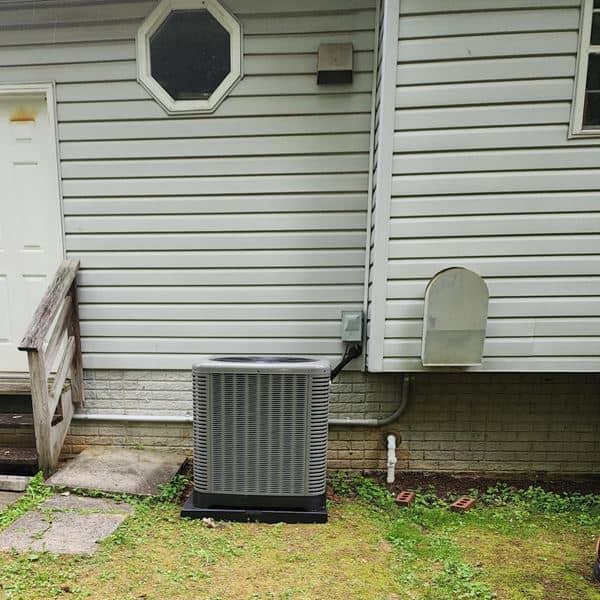
Hot, humid summers make cooling a must in Washington DC. If your system is aging, unreliable, or noisy, it may be time for AC replacement. Use this guide to plan a smooth install that fits your home, protects your comfort, and avoids surprises.
How Washington DC Weather Shapes Your AC Decision
DC summers bring sticky humidity and frequent heat waves. That moisture load means your new system must remove heat and water from the air, not just blow colder air. In rowhouses from Capitol Hill to Columbia Heights, narrow lots and multi-story layouts can create hot upstairs rooms and cool basements. Your replacement plan should consider sun exposure, shade, and airflow on tight alleys or courtyards where the outdoor unit will live.
Older homes in neighborhoods like Petworth, Brookland, and Georgetown may have ductwork added over time. Leaky or undersized ducts can make a brand-new system feel underpowered. Ask your contractor to check duct condition and return paths as part of the proposal so comfort improves across every floor.
Choose The Right System Type For Your Home
Most single-family homes rely on central air or a heat pump paired with ductwork. Townhomes and condos sometimes benefit from high-efficiency heat pumps or dual-fuel setups that manage humidity better in shoulder seasons. If your ducts are in good shape, a modern heat pump can offer quiet cooling and efficient heating, which can be helpful during DC’s quick spring and fall swings.
If your home lacks ducts or has rooms that are hard to cool, your consultant may recommend ductless heads in targeted spaces. The key is to match the system to the home’s layout and lifestyle. Avoid quick, brand-first decisions. The exact model matters less than proper design and installation.
Sizing And Ductwork: The Two Decisions That Make Or Break Comfort
Do not size by tonnage alone. Right sizing starts with a room-by-room load calculation that accounts for square footage, insulation, windows, orientation, and air leakage. Oversized equipment short cycles, leaves humidity behind, and can raise bills. Undersized systems run nonstop and still fall behind on the hottest afternoons.
Plan for a duct evaluation. Good ducts are as important as good equipment. A quick static pressure test and visual inspection can reveal kinks, crushed runs, or undersized returns that starve airflow. Fixes are often simple and pay off in quieter operation, better humidity control, and even temperatures across levels.
- What your installer should evaluate: room-by-room loads, supply and return sizes, total external static pressure, filter area, and attic or crawlspace insulation levels.
- What you can expect after right-sizing: longer, quieter cycles, better moisture removal, and fewer hot-cold swings between floors.
If your current system struggles but the ducts are the bottleneck, correcting airflow can transform comfort without jumping to a larger unit.
Efficiency, SEER2, And Noise: What Matters Day To Day
Today’s systems list efficiency using SEER2 rather than older SEER labels. Higher numbers indicate better seasonal efficiency in test conditions, but design quality still rules. A perfectly sized, well-ducted, mid-tier unit often outperforms an oversized high-tier model installed without airflow in mind.
Ask about compressor type and sound levels. Two-stage and variable-speed options can lower humidity and reduce noise, which is helpful in attached homes where a neighbor’s bedroom window may sit near your outdoor unit. Combine this with the right filter size so the system breathes freely.
Installation Day In Washington DC: What To Expect
Your crew will protect floors, remove the old equipment, set the new outdoor unit, and replace the indoor coil or air handler. Electrical and condensate connections are routed cleanly, then the system is evacuated, charged, and tested under load. The team should verify temperature splits, confirm airflow, and walk you through new controls. Expect some outdoor noise during removal and placement, especially in narrow alleys.
- Clear a 3–4 foot path to the mechanical area. Move cars if access is tight behind the house.
- Make pets comfortable in a quiet room. Keep kids and pets away on installation day for safety.
- Have Wi-Fi info ready if you’re adding a smart thermostat.
Local tip: Peak-heat appointments book fast in July and August. If you’re replacing an older unit, schedule early in spring to avoid delays after the first heat wave. Ask your installer to provide model numbers up front so you can review any manufacturer promotions or utility rebates that may apply.
Smart Thermostats And Indoor Air Quality That Support Comfort
Smart thermostats help manage humidity and step your system gently through temperature changes. They can also alert you to filter issues before airflow drops. If allergies are a concern, consider a media filter cabinet sized for low resistance. Balanced air and clean filters reduce strain on the blower and keep rooms more even through DC’s muggy afternoons.
When Repair Still Makes Sense
If your system is younger, has a solid maintenance history, and only shows a single failed part, a focused repair may be smarter than a full changeout. For a quick way to weigh the tradeoffs, read our guide on repair vs. replace for an aging AC system and talk through your options with a licensed pro you trust.
Budget, Access, And Timing: Practical Planning For DC Homes
Every home is different. Access through alleys and rowhouse yards can add a little time to removal and placement. So can tight mechanical closets in condos. Plan parking and elevator access if your equipment lives above grade. While we won’t discuss pricing here, allow some flexibility in your timeline for equipment delivery and final testing. The goal is a setup that runs quietly, removes moisture well, and keeps upstairs bedrooms comfortable at night.
If you are mapping out the steps, start simple: consultation and load calculation, duct check, proposal review, scheduling, installation, and a clean handoff. Keep your manual, warranty documents, and filter sizes in one folder. That way, future service is fast and straightforward.
How To Choose The Right HVAC Contractor
Ask for a licensed and insured HVAC contractor with local experience in rowhouses, condos, and single-family homes. Look for clear, plain-language proposals that include load numbers and airflow targets, not just equipment model lists. Good installers invite questions and explain why each choice fits your home. If you want a quick tune-up first or need interim cooling while you plan a changeout, professional AC repair keeps you comfortable while you decide.
You can also learn more about AC replacement in Washington DC and other cooling options by exploring our site. The most important part is getting a right-sized, well-installed system that matches your ductwork and daily routine.
Next Steps: Make Your Home Cool, Even, And Quiet
When you are ready to upgrade, partner with a team that focuses on design first and installation second. Start your project with a quick conversation and a tailored plan for your home. If you are comparing models or want a second look at ductwork, we are happy to help. You deserve steady cooling from June through September without hot-cold swings between floors.
To get started, schedule your AC replacement with Warner Super Service, Inc or call us at 301-567-2001. Our local team understands DC homes and summer weather, and we will guide you from first consultation to final walk-through with clear updates at every step.

Reach Out To Our Plumbers And Hvac Technicians In Fort Washington And Surrounding Areas For A Consult Today!